Germany
Germany lies in Central Europe, stretching from the North Sea and Baltic Sea to the Alps in the south. Its landscape moves from the flat northern plains through wooded hills and river valleys to the Bavarian Alps, with the Black Forest in the southwest. The Rhine, Danube, and Elbe cross different parts of the country, while Lake Constance sits along its southern border.
France
France stretches across Western Europe from the Atlantic Ocean and English Channel to the Mediterranean Sea, with Corsica lying off its southeastern coast. The Alps and Pyrenees rise along its eastern and southern edges, while the Massif Central covers much of the interior. Major rivers including the Loire, Rhône, Seine, and Garonne cross broad plains, valleys, and regions of rolling countryside.
United Kingdom
The United Kingdom lies off the northwestern coast of mainland Europe, across Great Britain, the northeast of Ireland, and many smaller islands. Mountains and glacial valleys shape much of Scotland, Wales, and Northern Ireland, while lower hills and plains extend across large parts of England. Its landscapes include the Scottish Highlands, the Lake District, the chalk cliffs of southern England, and a long, irregular coastline facing the Atlantic and North Sea.
Italy
Italy stretches from the Alps into the Mediterranean, with most of the country forming a long peninsula shaped like a boot. The Apennines run down its centre, and Sicily and Sardinia are its two largest islands. Much of its history remains visible in Roman ruins, medieval towns, and cities shaped by the Renaissance. Food, architecture, and even local speech can change significantly from one region to the next.
Spain
Spain occupies most of the Iberian Peninsula in southwestern Europe, with coastlines on the Atlantic Ocean, Bay of Biscay, and Mediterranean Sea. The Pyrenees rise along the northeastern border, while the broad Meseta Central covers much of the interior and major rivers such as the Ebro and Tagus cross the country. Its territory also includes the Balearic Islands in the Mediterranean and the volcanic Canary Islands in the Atlantic.
Poland
Poland lies in Central Europe, with a Baltic coast in the north and the Carpathian and Sudetes mountain ranges along its southern edge. Broad plains cover much of the country, crossed by the Vistula and Oder rivers, while lake districts shape the north. The Tatra Mountains rise along the Slovak border, and Białowieża Forest preserves one of Europe’s last large areas of primeval lowland woodland.
Romania
Romania lies in southeastern Europe, where the Carpathian Mountains form a broad arc around the Transylvanian Plateau. The Danube follows much of the country’s southern edge before spreading into a large wetland delta beside the Black Sea. Beyond the mountains, the landscape opens into forested hills and plains, including the Wallachian Plain in the south and Moldavian Plateau in the east.

The Netherlands
The Netherlands lies beside the North Sea in Western Europe, with much of its land forming part of the Rhine, Meuse, and Scheldt delta. Its mostly flat landscape includes polders reclaimed from water, sandy coastal dunes, and an extensive network of rivers, canals, and dykes. Along the northern coast, the Wadden Islands border the tidal flats and wetlands of the Wadden Sea, while the southeast rises gently toward Germany and Belgium.
Russia
Russia stretches from Eastern Europe across northern Asia to the Pacific, covering a vast expanse of plains, forests, mountains, and Arctic tundra. The Ural Mountains form a natural divide between its European and Asian regions, while Siberia contains some of the world’s largest forested areas. The Volga flows through the west, and Lake Baikal in the southeast is the world’s deepest freshwater lake.
Belgium
Belgium lies in Western Europe, with a short North Sea coast and low, flat plains across much of the north. The land rises through the central plateau to the wooded hills and river valleys of the Ardennes in the southeast. The Meuse and Scheldt are its main rivers, while the coastal dunes and wetlands form a distinct landscape along the sea.
Greece
Greece lies in southeastern Europe, where a mountainous mainland extends into the Aegean, Ionian, and Mediterranean seas. The Pindus Mountains cross much of the country, while narrow peninsulas and deeply indented coastlines shape the land. Thousands of islands lie offshore, including Crete, Euboea, Rhodes, and the Cyclades, and Mount Olympus rises in the north.
Czechia
Czechia lies in Central Europe, with the broad Bohemian Basin in the west and the hills and valleys of Moravia in the east. Mountain ranges form much of its border, including the Bohemian Forest and the Krkonoše, where Sněžka is the country’s highest point. The Vltava and Elbe cross Bohemia, while the Morava runs south through the eastern part of the country.
Portugal
Portugal lies on the western edge of the Iberian Peninsula, bordered by the Atlantic to the west and south, and also includes the Azores and Madeira island groups. The north is crossed by mountains and deep river valleys, while broad plains extend across much of the south. The Douro and Tagus flow westward to the Atlantic, and the coastline ranges from sandy beaches and lagoons to steep cliffs.
Sweden
Sweden extends along the Scandinavian Peninsula, from the Baltic coast and southern lowlands to mountains and tundra above the Arctic Circle. Much of the country is covered by forests and lakes, including Vänern and Vättern, while thousands of islands form archipelagos off Stockholm and Gothenburg. The Scandinavian Mountains follow its western edge, and rivers cross the northern forests towards the Gulf of Bothnia.
Hungary
Hungary lies in Central Europe, within the broad lowlands of the Carpathian Basin. The Danube and Tisza cross the country, while the Great Hungarian Plain covers much of the east and south. Western Hungary has rolling hills and lower mountain ranges, and Lake Balaton, the largest lake in Central Europe, stretches across the Transdanubian region.
Belarus
Belarus is a landlocked country in Eastern Europe, with mostly flat terrain shaped by forests, rivers, lakes, and broad wetlands. The Pripyat Marshes spread across much of the south, while the Dnieper, Neman, and Western Dvina flow through different parts of the country. In the west, Białowieża Forest preserves one of Europe’s largest remaining areas of ancient lowland woodland.
Austria
Austria lies in Central Europe, with the Eastern Alps covering much of the west and centre of the country. The Danube runs through the north and east, passing Vienna before continuing towards Slovakia and Hungary. Its landscapes range from high mountain valleys and alpine lakes to the gentler hills, vineyards, and lowlands around the Vienna Basin in the east.
Switzerland
Switzerland lies in Central Europe, with the Alps covering much of the south and the Jura Mountains running along the northwest. Between them, the Swiss Plateau contains many of the country’s towns, farmland, and lakes, including Lake Geneva and Lake Constance. Glaciers and mountain passes shape the high valleys, while rivers such as the Rhine and Rhône begin in or flow through the country.
Bulgaria
Bulgaria lies in southeastern Europe, with the Balkan Mountains crossing the centre and the broad Danube Plain stretching to the north. The Rila and Pirin ranges rise in the southwest, where Musala is the country’s highest peak, while the Maritsa River flows through the Thracian Plain. To the east, a long Black Sea coast includes sandy beaches, rocky headlands, and wetlands around several coastal lakes.
Serbia
Serbia lies in Southeast Europe, where the Pannonian Plain in the north gives way to hills and mountains farther south. The Danube crosses the country and meets the Sava at Belgrade, while the Iron Gates gorge cuts through the landscape in the east. Forests, river valleys, limestone caves, and the peaks of Kopaonik and Stara Planina shape much of the country beyond its northern plains.
Denmark
Denmark lies between the North Sea and the Baltic, covering the Jutland Peninsula and an archipelago of more than 400 islands. Its low, gently rolling landscapes are shaped by sandy coasts, dunes, farmland, and narrow fjords, with no point far from the sea. Among its most recognisable natural landmarks are the white chalk cliffs of Møns Klint and the broad dunes along Jutland’s west coast.
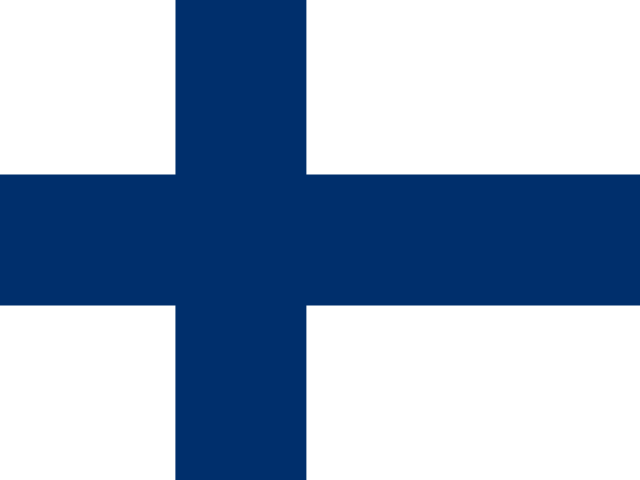
Finland
Finland lies in Northern Europe, between the Gulf of Bothnia and the Gulf of Finland, with a coastline broken into thousands of islands. Forests and lakes cover much of the country, including Saimaa, its largest lake, while low hills and broad wetlands shape the interior. In the north, Lapland rises into open fells, where long winter nights often bring views of the northern lights.
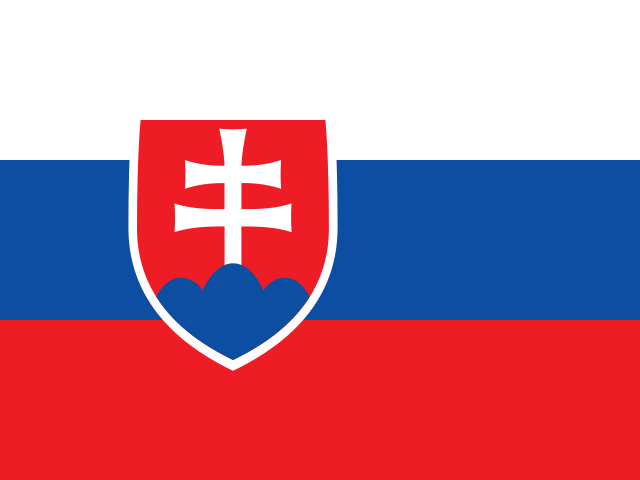
Slovakia
Slovakia is a landlocked country in Central Europe, with the Carpathian Mountains curving across much of its northern half. The High Tatras contain sharp peaks, glacial lakes, and Gerlachovský štít, the country’s highest point, while broad lowlands spread across the south and east. The Danube follows part of the southwestern edge, and the Váh runs through valleys between forested mountain ranges.
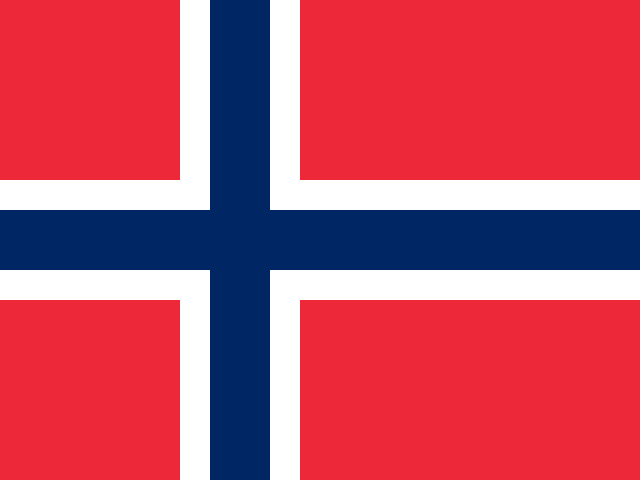
Norway
Norway is a long, narrow country in Northern Europe, with a deeply indented coastline facing the North Atlantic and Norwegian Sea. Steep mountains, broad plateaus and glaciers shape much of the landscape, while fjords such as Sognefjord and Geirangerfjord reach far inland between high cliffs. In the north, the Lofoten Islands rise sharply from the sea, and areas above the Arctic Circle experience the midnight sun in summer.
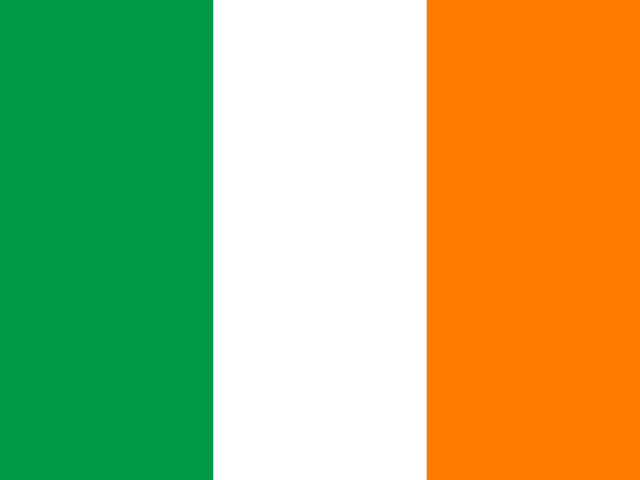
Ireland
Ireland is an island in the North Atlantic, with a broad central plain surrounded by hills and mountains near much of the coast. The River Shannon crosses the interior, while the west is shaped by rugged peninsulas, cliffs, and countless bays. Its landscapes also include lakes, peat bogs, limestone country such as the Burren, and the Cliffs of Moher rising above the Atlantic.
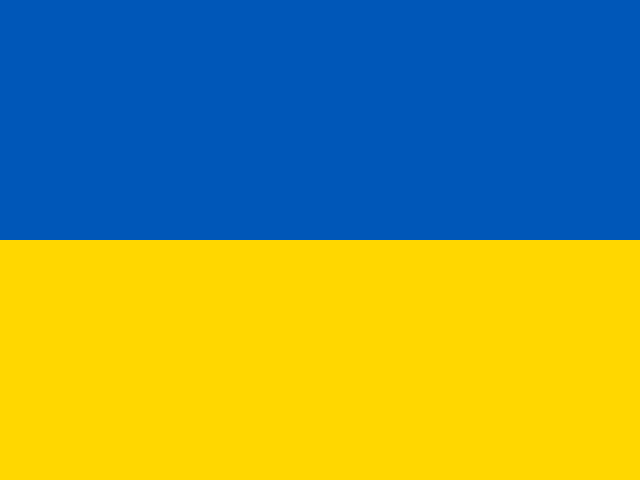
Ukraine
Ukraine lies in Eastern Europe, where broad plains and rolling uplands cover much of the country. The Dnipro flows south through its centre towards the Black Sea, while the Carpathian Mountains rise in the west. Its landscapes also include the forested north, fertile steppe, river valleys, wetlands, sandy shores, and coastal lagoons in the south.
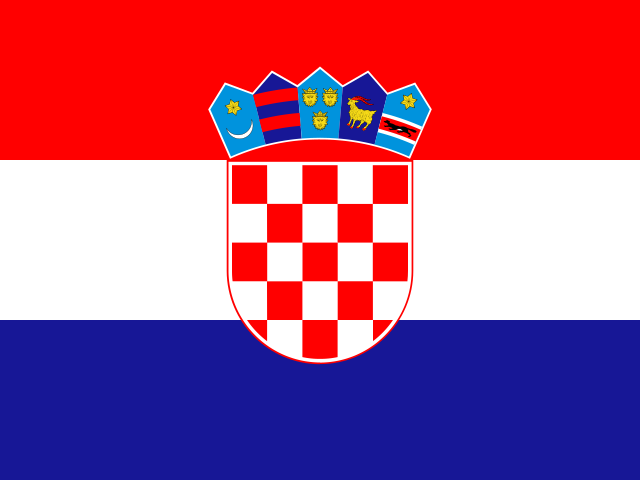
Croatia
Croatia stretches along the eastern Adriatic, with a long coastline and more than a thousand islands and islets. The Dinaric Alps rise behind much of the coast, while the interior opens into rolling hills, forests, and broad river valleys toward the Pannonian Plain. At Plitvice, turquoise lakes are linked by waterfalls, while Paklenica cuts deep limestone canyons through the mountains near the coast.
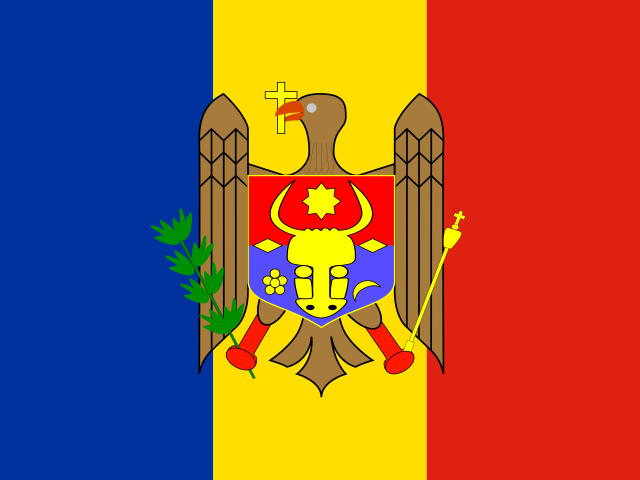
Moldova
Moldova is a landlocked country in Eastern Europe, with a landscape of gently rolling hills, broad river valleys, and fertile plains. The Dniester and Prut are its main rivers, while the wooded Codri hills rise across the centre of the country. Farmland, orchards, and vineyards cover much of the land, with limestone outcrops in the north and open steppe around Bălți adding further variety.

Bosnia and Herzegovina
Bosnia and Herzegovina lies in southeastern Europe, where the Dinaric Alps shape a largely mountainous landscape of forested ridges, limestone valleys, and karst fields. Rivers including the Neretva, Una, and Drina run through deep valleys and canyons, while waterfalls and clear mountain lakes are found across the country. A short stretch of Adriatic coastline meets the sea at Neum in the south.
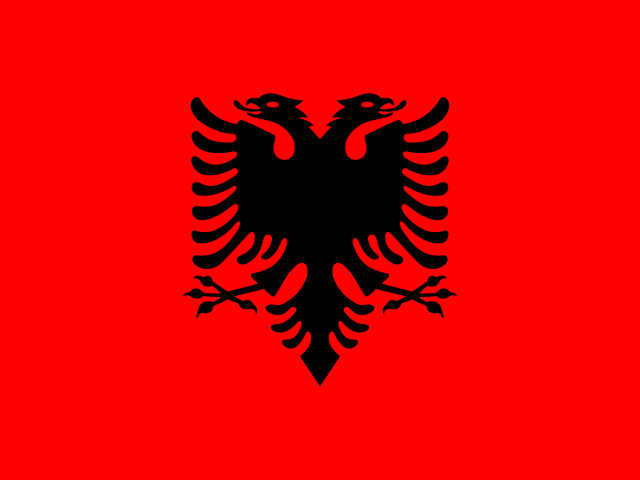
Albania
Albania lies on the Balkan Peninsula, with a coastline stretching along the Adriatic and Ionian seas. The Albanian Alps rise in the north, while mountain ranges, river valleys, and plains shape much of the interior. Its landscapes include Lake Shkodër, the Vjosa River, and a southern coast marked by steep slopes, beaches, and sheltered bays.
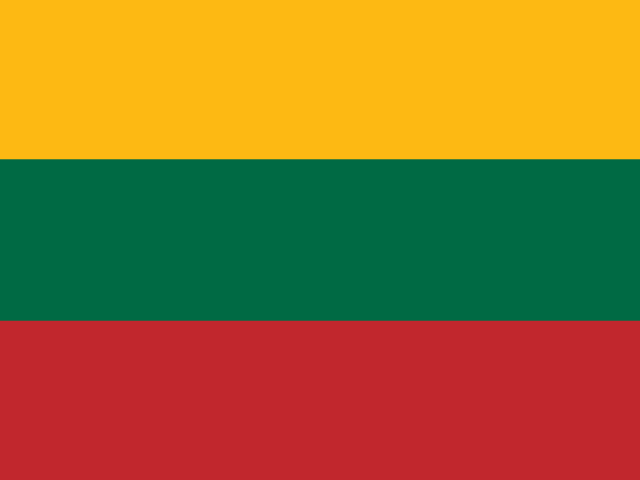
Lithuania
Lithuania lies on the eastern shore of the Baltic Sea, where a mostly low-lying landscape meets a short, sandy coastline. Forests, lakes, wetlands, and gently rolling hills cover much of the country, while the Nemunas is its largest river. Along the coast, the narrow Curonian Spit separates the Curonian Lagoon from the Baltic and is lined with high dunes and pine forests.
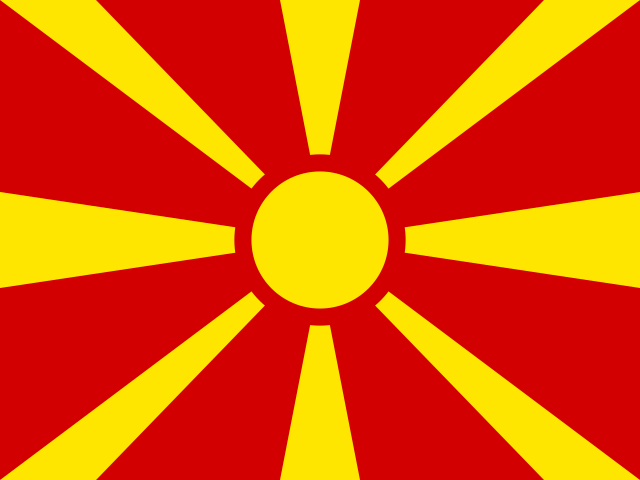
North Macedonia
North Macedonia is a landlocked country in southeastern Europe, set among mountain ranges, broad valleys, and deep river basins. The Vardar River crosses the country from north to south, passing through the central valley on its way towards the Aegean Sea. Lake Ohrid and Lake Prespa lie in the southwest, while the Šar Mountains rise along the northwest and contain some of the country’s highest peaks.
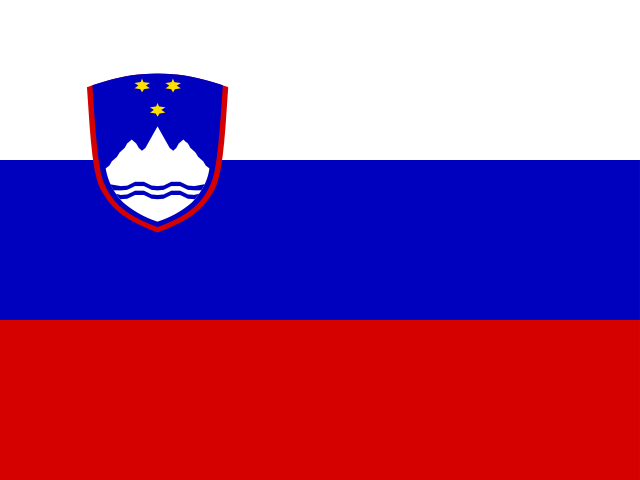
Slovenia
Slovenia lies in Central Europe, where the Alps meet the Karst Plateau, the Pannonian Plain, and a short stretch of Adriatic coast. The Julian Alps rise in the northwest around Mount Triglav, while the Soča and Sava rivers cross valleys, forests, and lowlands. Lake Bled and the extensive cave systems beneath the Karst are among its best-known natural features.
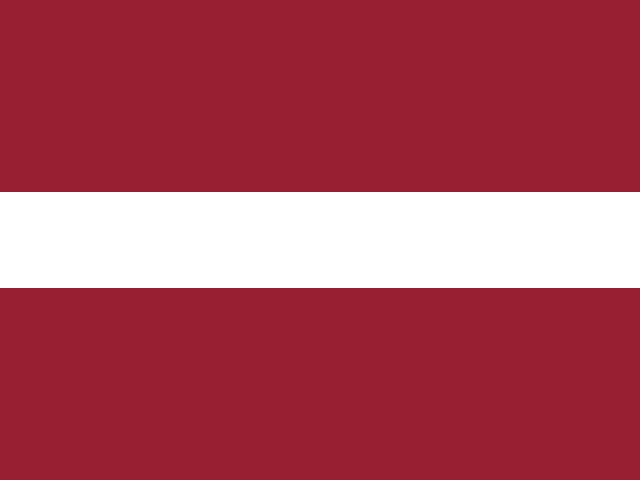
Latvia
Latvia lies on the eastern coast of the Baltic Sea, where the Gulf of Riga reaches deep into the country. Much of the land is flat or gently rolling, with broad forests, wetlands, lakes, and rivers including the Daugava and Gauja. Sandy beaches and dunes line much of the coast, while the Vidzeme uplands rise across the northeast.
Kosovo
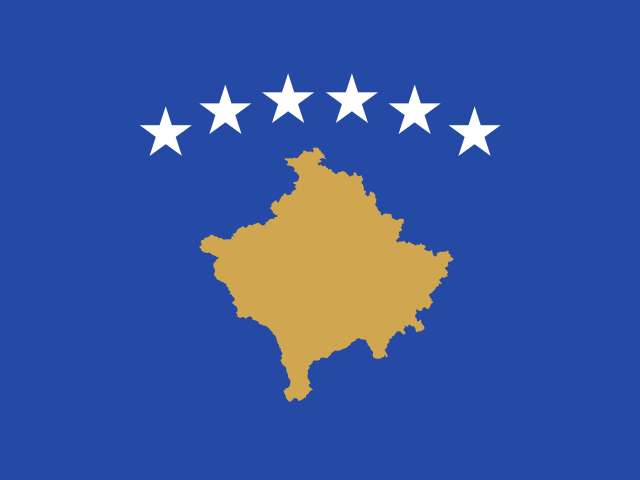
Kosovo lies in the central Balkans, with broad plains surrounded by mountain ranges. The Šar Mountains rise in the south, while the Accursed Mountains form a rugged landscape in the west. Rivers including the White Drin, Ibar, and Sitnica cross its valleys and plains, and mountain lakes, forests, and limestone gorges add further variety to the terrain.

Estonia
Estonia lies in Northern Europe on the eastern shore of the Baltic Sea, with a long coastline broken by bays, peninsulas, and many islands. Much of the country is low and gently rolling, with forests, wetlands, and more than a thousand lakes spread across the landscape. Saaremaa and Hiiumaa are its largest islands, while Lake Peipus forms one of its most prominent natural features.
Montenegro
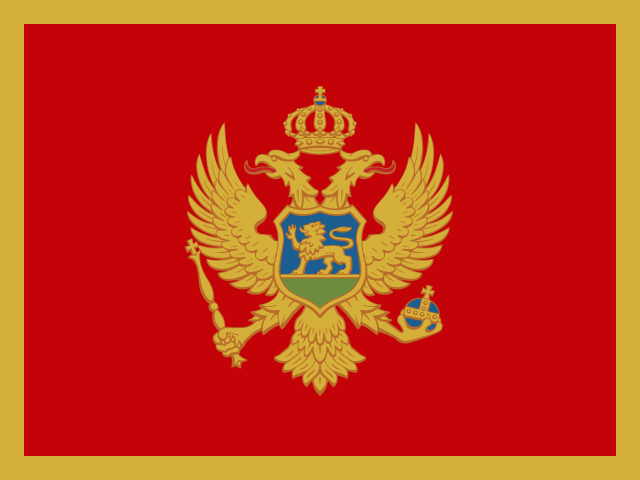
Montenegro is a small country in southeastern Europe, with an Adriatic coast shaped by rocky headlands, beaches, and the deeply indented Bay of Kotor. Inland, the land rises quickly into the Dinaric Alps, where Durmitor’s limestone peaks overlook glacial lakes and the Tara River canyon. Lake Skadar, the largest lake in the Balkans, spreads across the warmer, lower-lying south.
Luxembourg
Luxembourg is a small landlocked country in Western Europe, shaped by wooded hills, river valleys, and open farmland. The rocky uplands of the Oesling form part of the Ardennes in the north, while the lower Gutland region covers much of the centre and south. The Moselle, Sûre, and Our rivers run through its varied landscape, with vineyards lining parts of the Moselle valley.
Malta
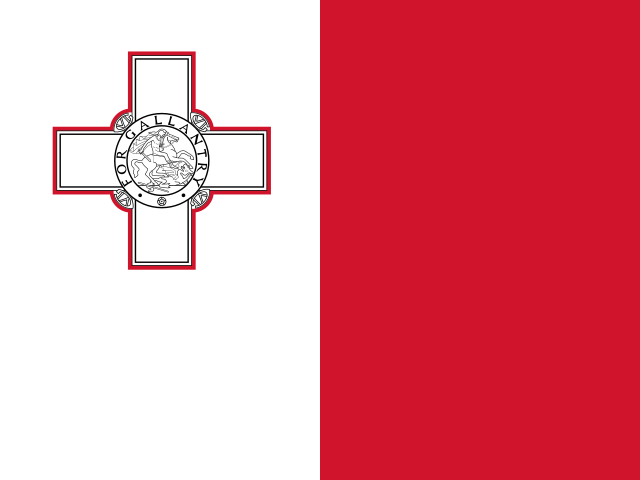
Malta is a small archipelago in the central Mediterranean, made up of the islands of Malta, Gozo and Comino, along with several smaller islets. Its limestone coastline is shaped by sheltered bays, natural harbours, sea caves and steep cliffs. Inland, the terrain is mostly low and gently rolling, with terraced fields and no permanent rivers or lakes.
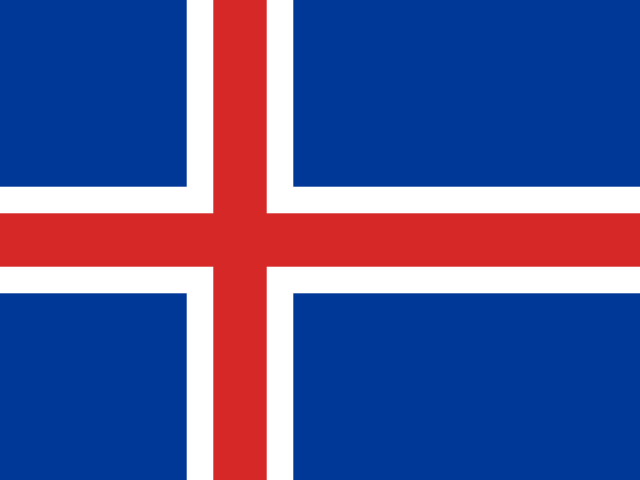
Iceland
Iceland is a volcanic island in the North Atlantic, just south of the Arctic Circle. Glaciers, lava fields and mountain ranges cover much of the interior, while rivers and waterfalls run towards a coastline cut by bays and fjords. Geothermal areas, hot springs and black-sand beaches reflect the forces that continue to shape the island.
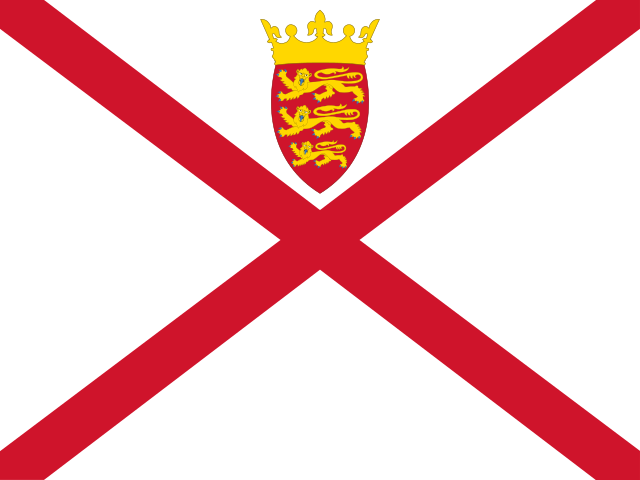
Jersey
Jersey is the largest of the Channel Islands, lying in the English Channel off the Normandy coast. Its landscape combines broad sandy bays in the south and west with steep cliffs, rocky headlands, and sheltered coves along the north coast. Small valleys cross the inland plateau, while the island’s large tidal range exposes reefs and wide stretches of seabed at low tide.
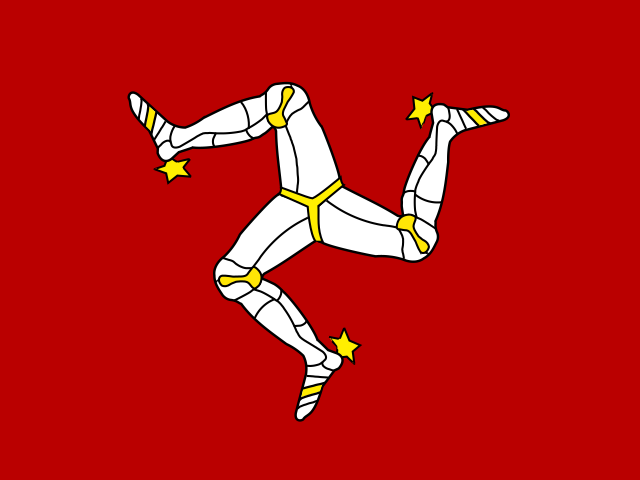
Isle of Man
The Isle of Man lies in the Irish Sea, between Great Britain and Ireland. A central ridge runs along much of the island, rising to its highest point at Snaefell, while low-lying plains spread across the north. Its coastline combines cliffs, sheltered bays, and sandy beaches, with the small islet of the Calf of Man just off the southern tip.
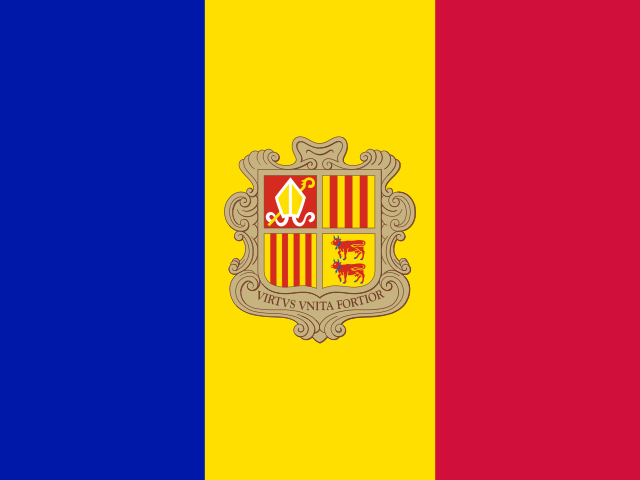
Andorra
Andorra lies high in the eastern Pyrenees, where steep mountains and narrow valleys shape most of the country. The Gran Valira river flows through the main valley, while lakes and alpine meadows appear across the higher slopes. Much of the landscape changes with elevation, from wooded valleys lower down to rocky peaks that rise above 2,000 metres.
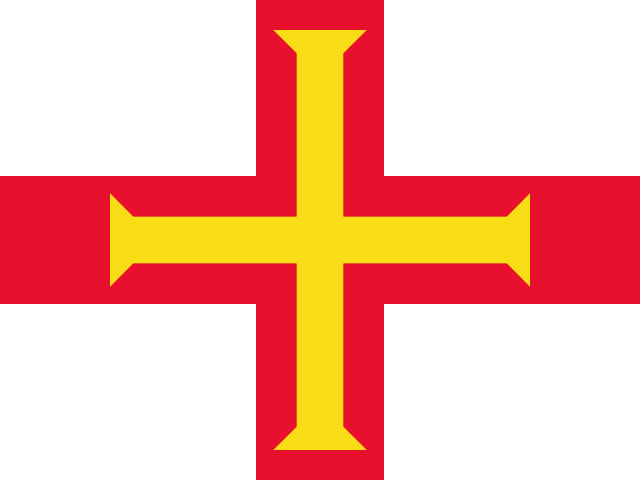
Guernsey
Guernsey lies in the English Channel, west of Normandy, among smaller islands such as Herm, Sark and Alderney. Its northern half is relatively low and level, while the land rises towards the south into a plateau edged by steep coastal cliffs. Rocky headlands and sheltered bays shape the coast, and the tidal island of Lihou lies just off the western shore.
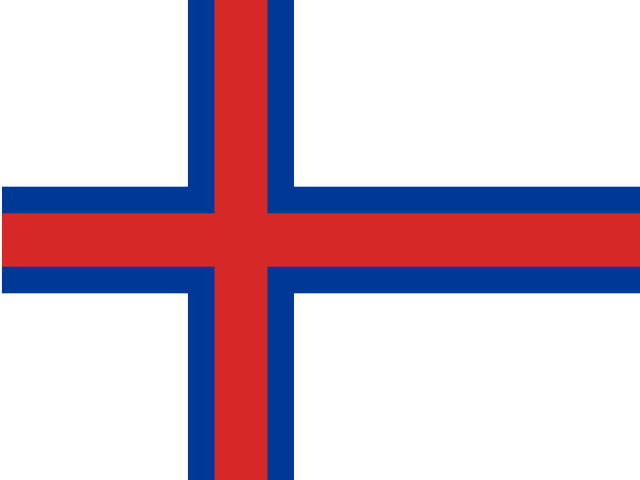
Faroe Islands
The Faroe Islands form a group of 18 volcanic islands in the North Atlantic, roughly halfway between Iceland and Norway. Steep mountains rise above narrow valleys and deep fjords, while cliffs shape much of the coastline. Slættaratindur is the highest point at 880 metres, and waterfalls, lakes, sea stacks, and sheltered sounds are found across the archipelago.
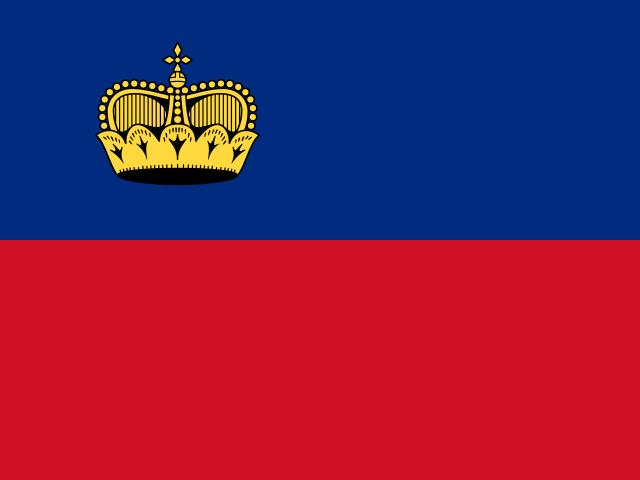
Liechtenstein
Liechtenstein is a small country in Central Europe, set between Switzerland and Austria in the upper Rhine Valley. The Rhine follows its western side, while the land rises eastward into the Alps, where steep ridges, wooded slopes, and high valleys shape much of the landscape. Grauspitz is the country’s highest point, and the Samina valley cuts through its mountainous eastern half.
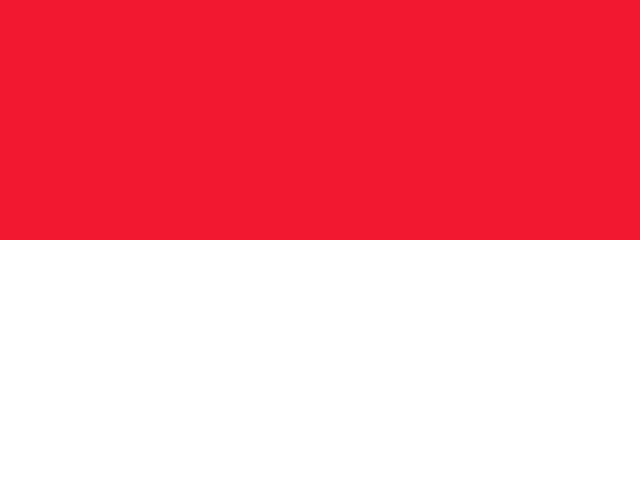
Monaco
Monaco lies on the Mediterranean coast of Western Europe, where steep hills descend towards the Ligurian Sea. Its narrow territory is bordered by France on three sides and follows a series of slopes and rocky headlands above the shoreline. The promontory of Monaco-Ville overlooks the sea, while Port Hercules and Larvotto Beach mark different parts of the country’s short coastline.
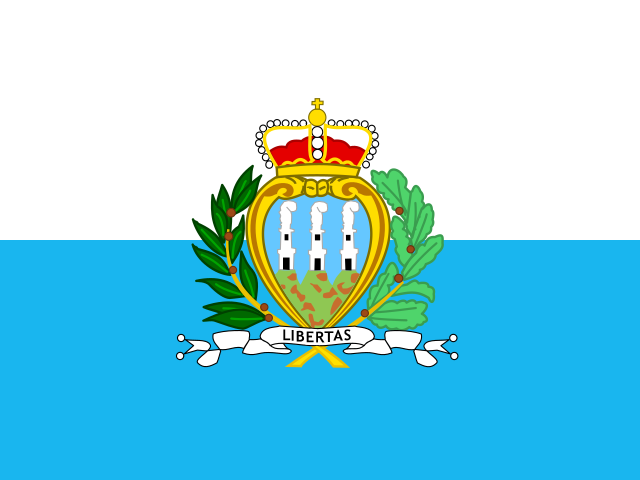
San Marino
San Marino lies on the northeastern side of the Apennines, surrounded by the rolling countryside of central Italy. Mount Titano rises at its centre, its three peaks forming a steep limestone ridge above wooded slopes and narrow valleys. From the higher ground, the landscape opens eastward across the Romagna plain toward the Adriatic, while small streams cut through the lower hills along the country’s edges.
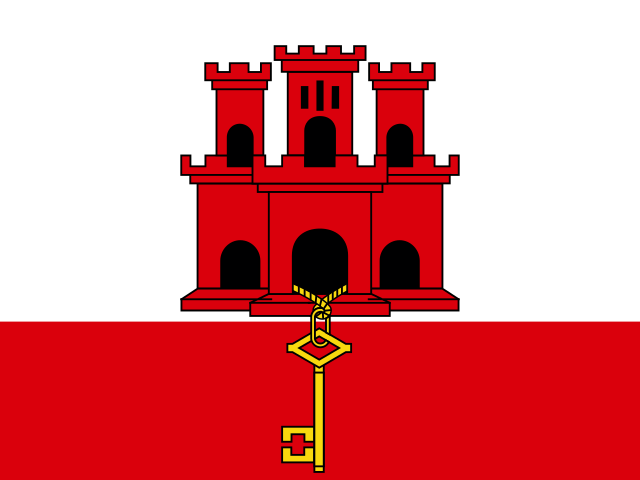
Gibraltar
Gibraltar lies at the southern end of the Iberian Peninsula, where the narrow Strait of Gibraltar links the Atlantic Ocean with the Mediterranean Sea. Most of its small land area is dominated by the Rock of Gibraltar, a steep limestone ridge rising above the surrounding coast. Cliffs line much of its eastern side, while caves and a narrow strip of flatter ground shape the landscape below.
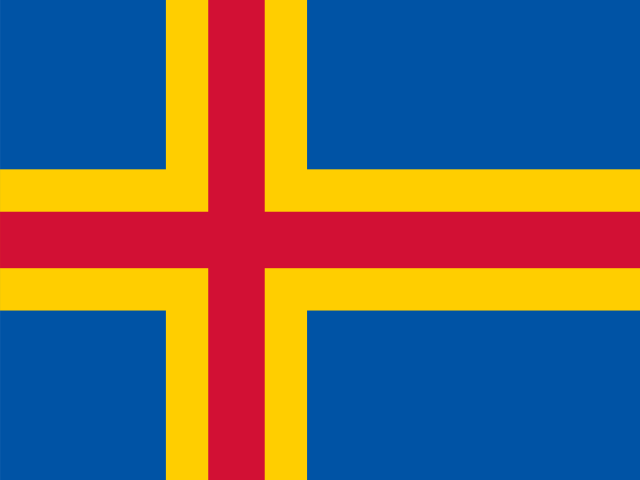
Aland Islands
The Åland Islands form an archipelago in the Baltic Sea, at the entrance to the Gulf of Bothnia between Finland and Sweden. Most residents live on Fasta Åland, the largest island, while thousands of smaller islands and skerries spread across the surrounding waters. Low granite shores, sheltered bays, pine forests, and open meadows shape the landscape, with narrow channels separating many of the islands.
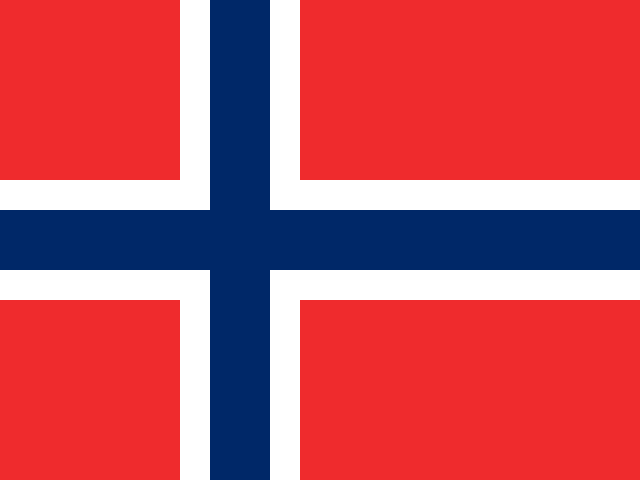
Svalbard and Jan Mayen
Svalbard and Jan Mayen lie far apart in the Arctic, with the Svalbard archipelago well north of mainland Europe and Jan Mayen standing alone between Greenland and Norway. Svalbard is shaped by broad glaciers, deep fjords, and steep mountains, while tundra covers its ice-free valleys and coastal plains. Jan Mayen is a narrow volcanic island dominated by Beerenberg, whose ice cap feeds glaciers down its slopes.

Vatican
Vatican City is a very small urban enclave in the heart of Rome, set on gently rising ground just west of the Tiber River. Its compact landscape includes formal gardens, wooded areas, courtyards, and stone-paved spaces enclosed by long stretches of wall. The terrain rises toward the Vatican Gardens, creating a modest change in elevation across an area otherwise surrounded by Rome’s dense cityscape.