Resources
Weather and air quality explained, from basic terms to in-depth guides.
Atmospheric Rivers Explained
Atmospheric rivers can replenish water supplies or raise flood risk. Their effects depend on IVT, duration, terrain, snow level, and ground conditions.

Hail Explained: How Hailstones Form and Fall
Learn how hail grows inside thunderstorms, why size varies across short distances, what radar can detect, and how to stay safe.
Ocean Currents Explained: How the Ocean Shapes Weather and Climate
Learn what drives surface and deep ocean currents, how they move heat and moisture, why upwelling matters, and how currents influence coastal weather.
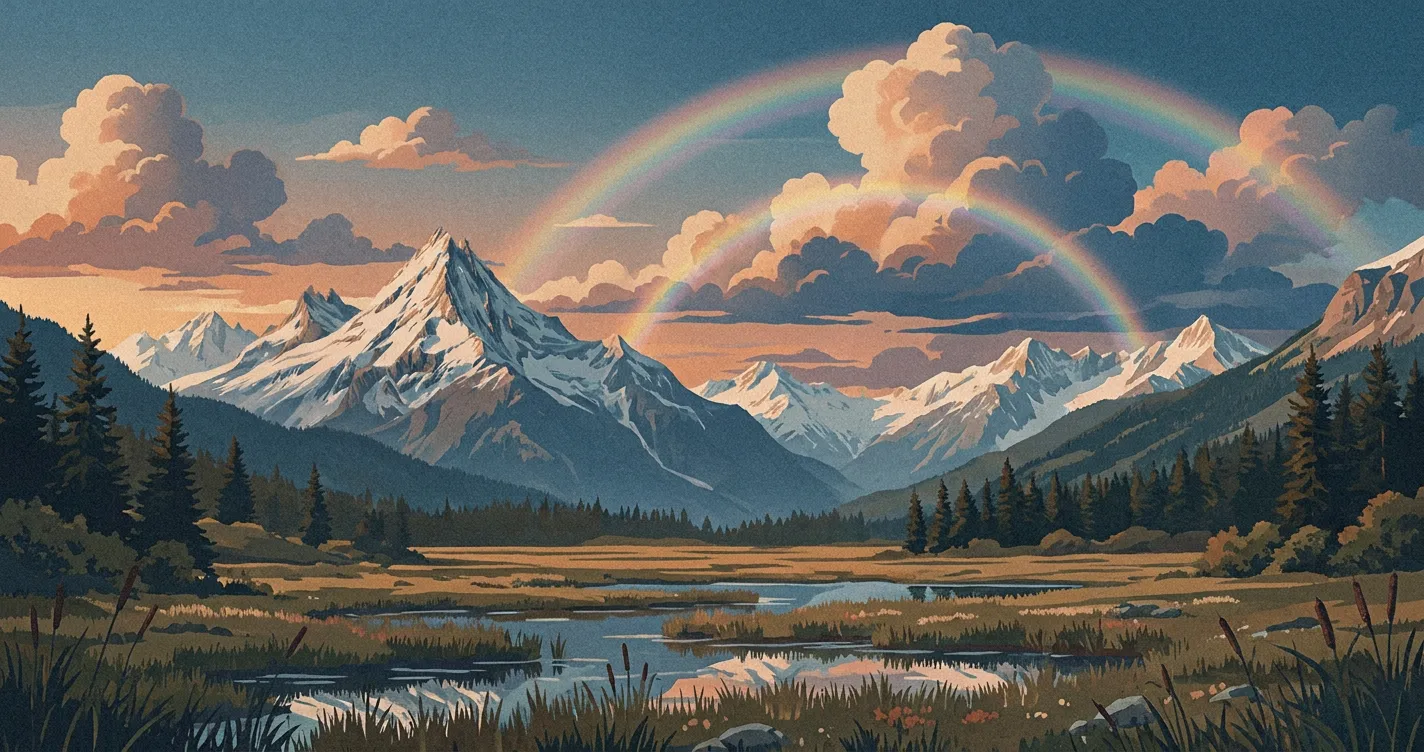
Rainbows Explained: Why They Form and Where to Look
Learn how sunlight and water droplets create rainbows, why secondary bows reverse the colour order, and how Sun position and showers help you find one.
How Weather Radar and Satellite Imagery Work
Learn what weather radar and satellite images measure, why maps contain gaps and artefacts, and how to read observed and projected frames.
Wildfire Smoke and Air Quality
Learn why wildfire smoke can affect places far from a fire, how to read PM2.5 and AQI, and how to reduce your exposure indoors and outside.

Weather Warnings Explained
A weather warning is useful when you know the hazard, area, timing, impact and action. Colours, watches and warnings differ by country, so read the official message.

Heatwaves Explained: Causes, Risks, and Safety
Learn what defines a heatwave, how extreme heat develops, why hot nights and humidity raise the risk, and how to stay safe.
Temperature Explained
How air temperature is measured, what Celsius and Fahrenheit mean, why temperatures change through the day, and how to read them in a forecast.
Solar Eclipses Explained
What causes a solar eclipse, how total, partial, annular, and hybrid eclipses differ, and how to watch one safely.

Fog Explained
How fog forms, the different types you can encounter, why it reduces visibility, and what your forecast can tell you about it.
Jet Streams Explained
How polar and subtropical jet streams form, vary and steer weather systems, plus how to read upper-air maps without overinterpreting local effects.